

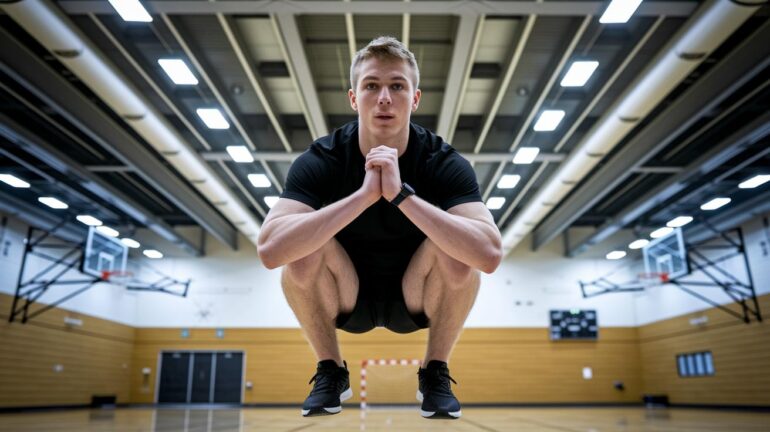
Have you ever wondered how some players seem to fly on the court? They aren’t actually breaking any laws of physics, they’re using plyometrics. This type of training uses quick, explosive moves like box jumps and lateral bounds (side jumps) to help boost your jump and speed. It builds strength and helps you react faster during games.
Adding these drills to your workout can give you a real edge. Imagine feeling lighter on your feet and more confident when you make those sudden moves. In this post, we share easy tips on how to mix these exercises into your routine. Ready to boost your skills and take your game to new heights?
Plyometrics Training for Basketball: Boosting Explosive Performance
Plyometric training is all about quick, powerful moves that build the key muscles you need in basketball. Drills like box jumps, depth jumps, burpees, lateral bounds, single-leg hops, and power skips work by quickly stretching your muscles and then snapping them into action. This fast pull and push boost helps you jump higher and move faster, almost like launching off the ground like a mini rocket.
This workout style does more than build strength; it actually translates into real game skills. Here are a few wins you can look forward to:
- Higher vertical leaps
- Quicker, reactive muscles
- Swift changes in direction
- Improved coordination in your lower body
- More overall athletic power
Mixing these exercises into your routine, aim for two to three sessions a week, can make a big difference in your game. When you practice these drills regularly, your muscles and nerves learn to fire off quick, smooth moves at crucial moments. Imagine a player dashing to the basket or switching directions in the blink of an eye. That's the magic of a solid plyometric routine.
Plyometrics Training for Basketball: Drills and Exercise Breakdown

Plyometric drills turn simple moves into powerful bursts that boost your basketball skills. They add an exciting spark to your workouts, helping your muscles and nerves work together like a well-oiled machine. When you practice these drills, you build strength, balance, and smooth coordination while having fun on the court.
Key moves include box jumps, depth jumps, two-foot ankle hops, lateral bounds, power skips, and rim jumps. In box jumps, you leap onto a sturdy platform that lifts your vertical jump. Depth jumps have you step down from a height and then spring upward quickly to sharpen your reaction speed. Focusing on proper form ensures you move energy efficiently from landing to takeoff, keeping your body safe and sound.
A solid plyometric routine covers many aspects of explosive training. Consider these drills:
- Box Jumps: Boost your overall vertical jump.
- Depth Jumps: Develop quick, reactive strength.
- Two-Foot Ankle Hops: Improve fast foot movements.
- Lateral Bounds: Enhance side-to-side agility.
- Power Skips: Strengthen single-leg explosiveness.
- Rim Jumps: Simulate game moves like dunking.
Adding these exercises to your routine helps you move faster and more nimbly on the court. Practice them consistently and soon your strides will feel quicker and your lateral movements sharper. This approach to training not only builds dynamic energy but also makes you more resilient during every game.
Plyometrics Training for Basketball: Structuring an Effective Program
Creating a solid plyometrics program is like building a strong base for your game. Experts suggest working out 2 to 3 times a week while mixing drills such as box jumps, lateral bounds, and depth jumps. These exercises boost your explosive moves and help your body react faster and jump higher. Starting with proper techniques and warm-ups really cuts down on injury risks, setting you up like a strong foundation for speed and power on the court.
A weekly plan can really help you stay on track. It breaks down your drills and makes sure you get enough recovery time between tough sessions. Check out the sample schedule below, it mixes moderate and high-intensity workouts so you focus on different jumping skills while keeping overexertion in check.
| Day | Drill Focus | Intensity |
|---|---|---|
| Monday | Box Jumps & Lateral Drills | Moderate |
| Wednesday | Depth & Ankle Hops | High |
| Friday | Combined Plyometric Circuit | Moderate |
Setting aside time for warm-ups and cool-downs is a must. A well-planned program not only builds your explosive power but also supports long-term growth on the basketball court. Enjoy the process and notice how each session makes you a bit faster and more powerful.
Plyometrics Training for Basketball: Safety and Integration Tips
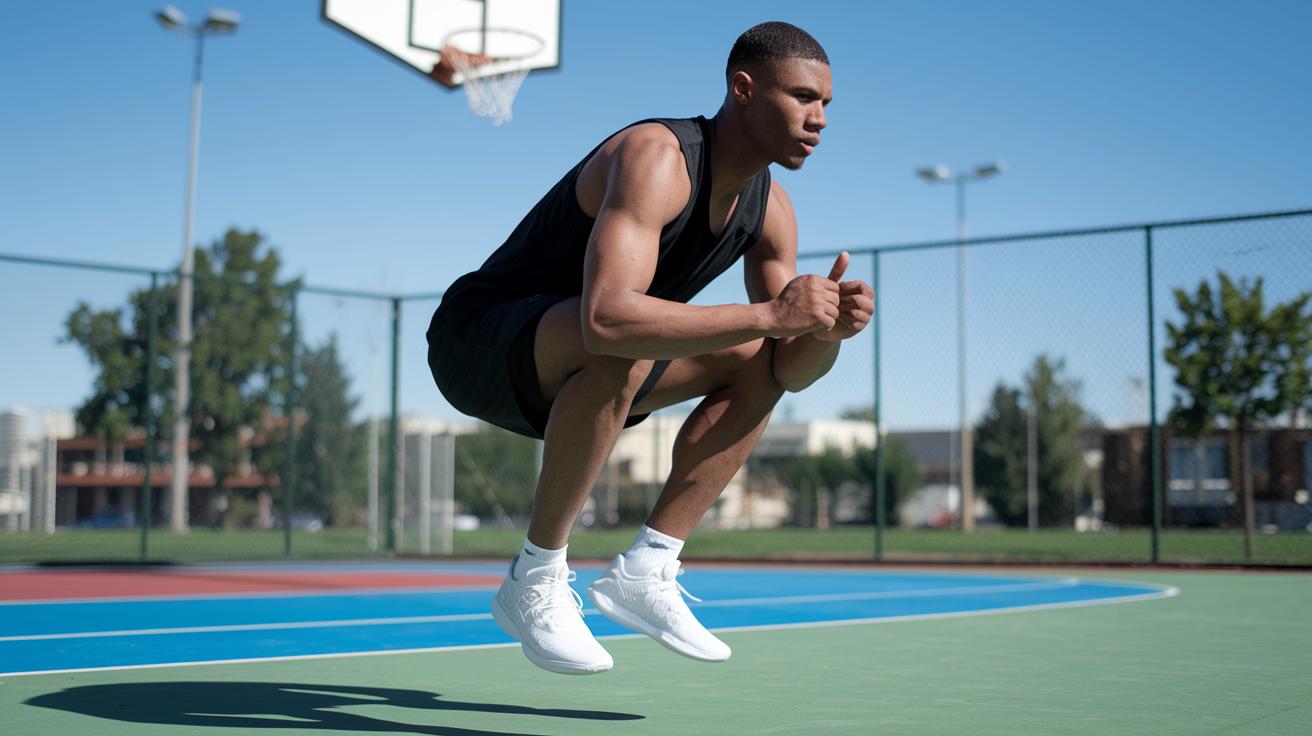
Plyometric drills are a fun way to build power and quickness on the court. They help you move faster and jump higher, but it’s important to keep safety in mind. Always start with a warm-up that gets your muscles and joints ready for action. This helps reduce the chance of injury, especially with challenging moves like single-leg depth jumps.
Here are a few simple tips to keep your training safe:
- Dynamic warm-up routine before you start
- Gradually increase the drill intensity over time
- Focus on landing carefully to protect your joints
- Include proper recovery breaks during your session
When you add these drills to your basketball practice, listen to what your body is telling you. It’s all about finding the right balance, work on your core strength during jumps and pair upper body bursts with lower body routines. Slowly increasing the intensity gives your muscles and tendons time to adapt. Follow these steps, and you’ll enjoy the boost in explosive performance while keeping your workouts safe and effective.
Final Words
In the action, our guide walked through explosive jump drills, careful program structuring, and smart safety tips that help build lower-body power. We explored drills like box jumps and depth jumps and discussed how proper warm-ups and recovery boost overall performance.
This recap shows that a balanced routine can boost on-court skills and keep you feeling strong. Keep practicing plyometrics training for basketball with a focused attitude, and enjoy watching your energy and confidence soar.
FAQ
Where can I find free plyometrics training PDFs for basketball?
Free plyometrics training PDFs offer structured guides with detailed exercises for boosting explosive power. They include plans for beginners and advanced players, making it easy to follow a clear, effective workout routine.
How does plyometric training benefit basketball performance?
Plyometric training benefits basketball by improving vertical jump height, reactive strength, and overall court power. Drills like box jumps and lateral bounds help athletes develop faster movements and better coordination.
How often should basketball players perform plyometric workouts?
Training plyometrics 2-3 times per week maximizes benefits while allowing muscles to recover. This schedule helps build explosiveness and agility without overloading the body.
How can basketball players train explosiveness with plyometrics at home?
Training explosiveness at home using plyometrics involves simple drills like squat jumps, lunges, and lateral bounds. These exercises improve leg strength and agility, requiring minimal equipment and space.