

Starting hormone replacement therapy (HRT) is a significant decision, and it’s essential to have a thorough understanding of what it entails before taking the first step. Hormone replacement therapy is often used to help individuals manage the symptoms of menopause, hormonal imbalances, or gender-affirming transitions. Regardless of your reason, understanding the essential aspects of HRT can empower you to make informed, confident choices. Here’s what you should know before starting HRT.
1. Types of Hormone Replacement Therapy
Not all hormone replacement therapies are alike. There are two main types of HRT:
- Estrogen-only therapy: Typically prescribed for those who’ve undergone a hysterectomy, as it only replaces estrogen in the body.
- Combination therapy: Includes both estrogen and progesterone, often prescribed to individuals with a uterus to reduce the risk of endometrial issues.
Additionally, HRT can vary in form. Options include pills, patches, gels, creams, injections, and even implants. Each form has its pros and cons, and your choice should align with what feels practical and comfortable for you, under your healthcare provider’s guidance.
Considering these products, understanding your personal medical history and health objectives is paramount in determining the most suitable form.
2. Get Clarity on Your Goals
Understanding why you’re starting HRT is essential for setting the right expectations. Here are some common reasons people begin HRT:
- Alleviation of Menopausal Symptoms: Hot flashes, night sweats, mood swings, and changes in libido can be mitigated with the right hormone regimen.
- Prevention of Bone Loss: HRT can sometimes help reduce the risk of osteoporosis in menopausal individuals.
- Gender Affirmation: For transgender and nonbinary individuals, HRT helps to align physical characteristics with gender identity.
By identifying your goals early on, you and your medical provider can tailor a plan to suit your unique needs.
3. Know the Potential Benefits
HRT can offer notable benefits, depending on your circumstances. These include:
- Improvement of energy levels and mood stability
- Better management of insomnia or disrupted sleep
- A reduction in the severity of physical symptoms like joint pain or dryness
- Enhanced quality of life
That said, the extent and nature of these benefits vary from person to person. Patience is essential since changes and improvements may take time to become noticeable.
4. Understand the Risks and Possible Side Effects
As with any medical treatment, HRT is not without its potential risks. Some individuals may experience side effects like nausea, bloating, or slight weight changes at first. It’s also critical to have an honest discussion with your healthcare provider about risks such as blood clots, cardiovascular issues, or breast cancer, depending on your health and medical history.
Being mindful of these aspects is key to navigating your journey with realistic expectations. Regular monitoring, check-ups, and open communication with your provider can mitigate serious complications.
5. Timing is Everything
Timing plays a crucial role when it comes to HRT. Initiating hormone therapy during the “window of opportunity” — typically within 10 years of menopause or before the age of 60 for menopausal individuals — could maximize benefits while reducing risks.
For gender-affirming HRT, it’s essential to start at a time that aligns with your readiness, both physically and emotionally.
The bottom line: the timing of your therapy should align with your personal health journey.
6. Lifestyle Adjustments May Complement HRT
While HRT can significantly improve your well-being, incorporating a healthy lifestyle is equally important for achieving the best results. Consider these adjustments:
- Nutrition: A balanced diet rich in calcium and vitamin D supports overall hormonal health.
- Exercise: Regular physical activity can enhance strength and help combat mood swings.
- Stress Management: Techniques like meditation, yoga, or mindfulness can aid emotional balance.
Think of HRT as part of a holistic approach alongside these positive lifestyle changes.
7. Prepare for Regular Monitoring
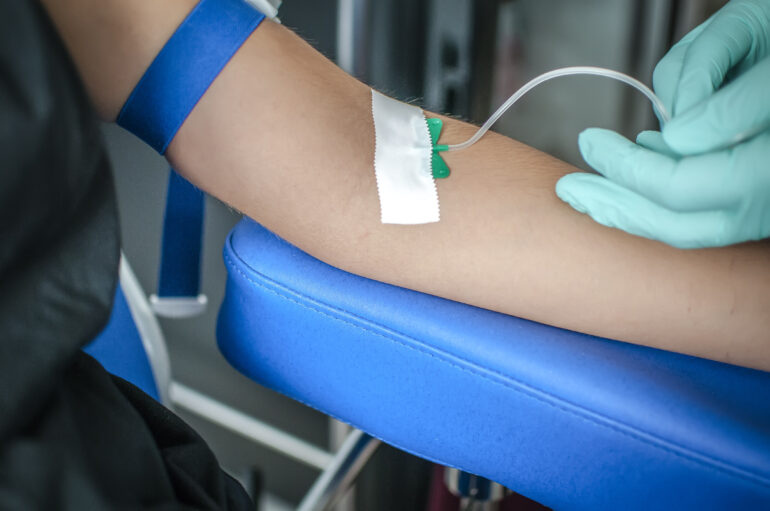
Once you start HRT, regular follow-ups are essential to monitor your progress, assess any side effects, and make adjustments as needed. Blood work might be required to ensure your hormone levels are within the target range. Discuss a plan with your provider to stay proactive about your health throughout the therapy.
Final Thoughts
Starting hormone replacement therapy is a personal choice, but it’s one that should be made with full awareness of the benefits, risks, and commitments involved. Taking the time to educate yourself and consult with a qualified healthcare provider is the best way to ensure a positive experience.
HRT can be life-changing, whether it’s helping you manage symptoms of menopause or supporting your gender affirmation journey. With the right preparation, you’ll be equipped to embrace a balanced, empowered future.