

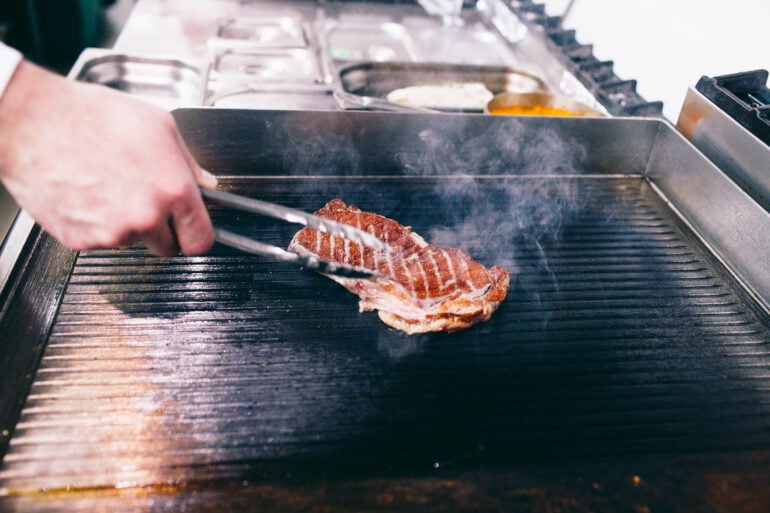
Industrial grills are the backbone of many food service operations, providing durability and high-performance cooking capabilities. Ensuring their longevity is not only a cost-saving strategy but also critical for maintaining efficiency and food quality. This blog explores practical steps to help you maximize the lifespan of your industrial grill, saving you both time and money.
Understanding the Importance of Grill Maintenance
Your industrial tuff grill is a significant investment. Regular maintenance ensures that this essential equipment operates smoothly throughout its life. Neglecting maintenance can lead to malfunctions, reduced efficiency, and costly repairs or replacements. By adopting a proactive approach to care, you not only extend the grill’s lifespan but also maintain its performance and the quality of the food it produces.
Cleaning: The Foundation of Longevity
Cleaning is one of the most vital aspects of extending your grill’s life. Here are some essential cleaning practices:
- Daily Cleaning: Wipe down the surface with a grill brush or scraper to remove food particles and grease buildup after each use. This prevents residue from hardening and becoming more difficult to clean later.
- Deep Cleaning: Regularly clean the grill grates, burners, and the interior compartments using non-abrasive tools and grease-cutting solutions. This can be scheduled weekly or bi-weekly, depending on usage intensity.
- Drip Pan Care: Empty and thoroughly clean the drip pan to avoid grease fires and maintain hygiene.
Implementing a consistent cleaning routine will reduce wear and tear while keeping the grill in peak working condition.
Conduct Routine Inspections
Regular inspections are vital to catching minor issues before they escalate. Include the following checks as part of your routine maintenance:
- Burners: Inspect burners for clogs or uneven flame distribution. Keeping them clear of debris ensures efficient heating and prevents long-term damage.
- Ignition System: Test the ignition system periodically to ensure the grill lights up reliably. If you notice any delays or failures, address them immediately.
- Gas Lines and Connections: For gas-powered grills, inspect the connections and lines for leaks. Fully functional gas lines are essential for both performance and safety.
Routine inspections help you identify potential problems early on, ensuring timely resolutions and minimizing costly downtimes.
Lubricate Moving Parts
Industrial grills often have components like hinges, knobs, and wheels that may require lubrication to operate smoothly. Use manufacturer-approved lubricants to prevent rust or corrosion and maintain ease of operation.
Regular lubrication can also reduce wear on moving parts, ensuring consistent performance over time.
Preventive Maintenance Saves Costs
Preventive maintenance involves addressing potential issues before they become problems. Consider the following tips:
- Replace Worn-Out Components: Parts like grill grates or burners will naturally degrade over time. Replacing them promptly prevents strain on other components and maintains consistent cooking results.
- Manufacturer Check-Ups: Schedule professional maintenance sessions as per the manufacturer’s guidelines. Professionals can identify deep-seated issues and ensure optimal functionality.
- Keep a Maintenance Log: Maintain a record of cleaning and repairs. A detailed log helps track patterns, anticipate potential problems, and stay on top of essential servicing dates.
Invest in Proper Usage Practices
The way you use your grill significantly impacts its longevity. Follow these best practices:
- Avoid Overloading: Respect your grill’s capacity to prevent excess strain on burners and grates.
- Cooldown Periods: Allow the grill to cool before cleaning or storage.
- Choose the Right Cleaning Tools: Avoid metal scrubbers that can damage the grill surface. Opt for soft brushes or specialized tools recommended by the manufacturer.
Proper usage habits form the cornerstone of a longer-lasting industrial grill, reducing the likelihood of premature damage.
Protect Your Grill From Environmental Factors
Environmental factors, such as humidity and debris, can expedite wear and tear. While most industrial grills are built to endure rugged conditions, protective measures go a long way:
- Weatherproof Covers: Use grill covers when the equipment is not in use to shield it from moisture, dust, and grime.
- Indoor Storage: If possible, store your grill inside when it’s not being used for extended periods. Controlled environments reduce the risks of rust or exposure-related damage.
Simple protective steps can significantly add to the operational lifespan of your equipment.
Conclusion
Extending the life of your industrial grill requires a blend of consistent cleaning, regular maintenance, proper usage, and protective measures. These efforts will not only boost the grill’s operational lifespan but also ensure that it continues to deliver superior performance. By implementing these tips, you can protect your investment, safeguard food quality, and reduce potential repair and replacement costs.
Take care of your industrial grill today, and it will take care of your business for years to come.