

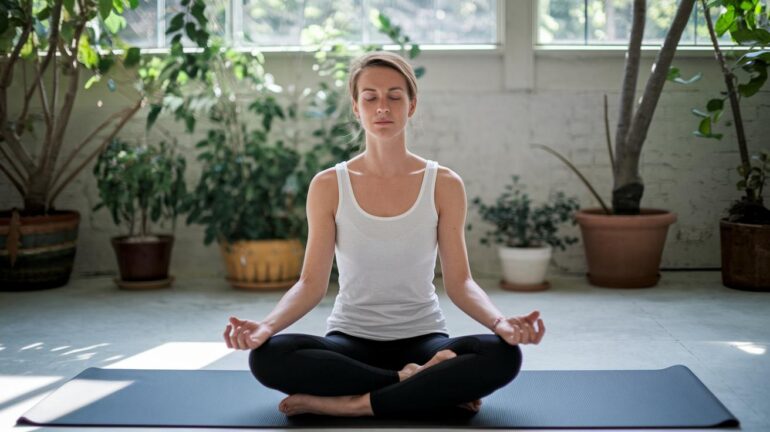
Ever notice how a few slow, mindful breaths can melt away stress? In our busy, noisy world, taking a moment to breathe deeply can bring a much-needed sense of calm. Guided breathing meditation shows us that simply focusing on our breath can clear our mind and ease everyday tension.
Find a comfy spot where you feel at ease. Sit down, relax, and take a slow, deep breath in. Feel the cool air fill your lungs and gently let your worries fade away. Each breath invites you to relax a little more, soothing both your body and your mind.
Guided Breath Meditation: Embrace Your Deep Calm
Find a quiet spot where you can settle in comfortably, letting the day’s noise fade away. This exercise uses the natural flow of your breath to ease your thoughts and relieve stress. Picture cool air softly filling your lungs and warm air gently leaving your body. It’s a simple, calming moment that recenters your mind. Next time tension starts to build, try this practice and notice the peaceful change with each slow, mindful breath.
Here’s how to start:
- Choose a quiet, comfortable space.
- Sit or lie down in a relaxed position.
- Gently close your eyes to block out distractions.
- Focus on your natural breathing rhythm, feel each inhale and exhale.
- Allow any wandering thoughts to drift by without judgment.
- Begin with about five minutes and gradually extend your time.
- Wrap up with a moment of gratitude for the calm you’ve nurtured.
Let this simple practice help you reconnect with your inner peace. It invites you to slow down, feel each breath, and simply be in the moment. Sometimes, when I notice stress, I whisper to myself, "I'm here, embracing each breath," and feel tension ease away. Whether you follow an audio guide or trust your own rhythm, this mindful breathing paves the way to lower anxiety and boost your overall well-being. Enjoy every deliberate breath along this journey toward calm.
Guided Breath Meditation Benefits: Boosting Mind-Body Harmony
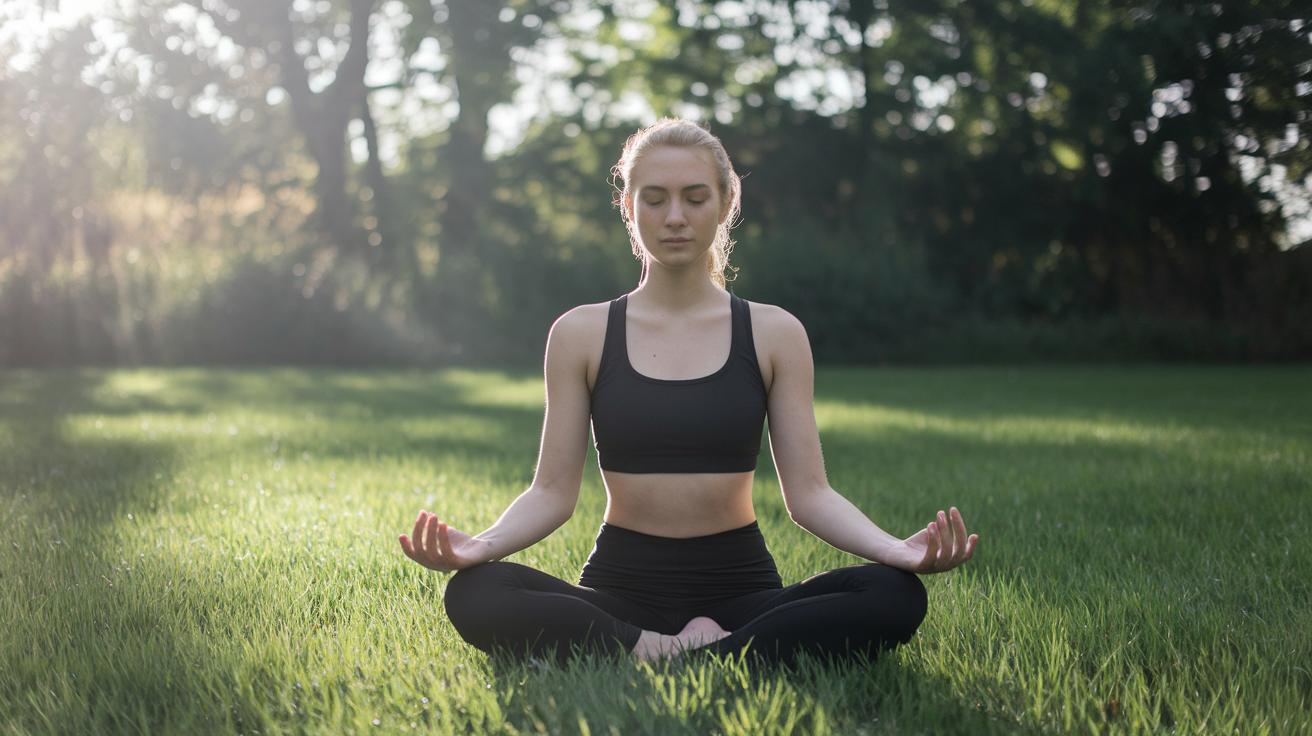
Guided breath meditation is a gentle way to calm your thoughts and lift your spirit. It uses simple breathing steps, like the 4-7-8 method (breathe in for 4 seconds, hold for 7, then exhale for 8), to help lower stress and bring a relaxed feeling that lasts long after your session.
Every day, this kind of calm breathing can make a big difference. People who practice it often feel less stressed and anxious, find it easier to focus, sleep better, and enjoy a steadier mood. It’s like giving your body a little reset button.
Taking just a few minutes each day to concentrate on your natural breath can boost your focus and mood. This method helps quiet your mind and lets you notice your thoughts without getting wrapped up in them.
By adding guided breath meditation to your routine, you can feel clearer both mentally and physically. It invites you to tune in to the natural rhythm of your body, planting seeds of inner peace that help you stay calm even on busy days.
Guided Breath Meditation Techniques for Beginners: Step-by-Step Approach
Find a quiet spot where you can sit comfortably and close your eyes. Take a deep, gentle breath in, then slowly let it out. If your mind wanders, let those thoughts drift away without any worry. Start with just a few minutes of focused breathing and gradually extend your sessions as you get more at ease.
If you're looking for a little variety, try these simple meditation styles. Each approach offers a unique way to relax and build more confidence in your breathing practice:
| Technique | Duration | Focus |
|---|---|---|
| Mini Inhalation Meditation | 3 minutes | Embracing calm |
| 5-Minute Breathing Session | 5 minutes | Relieving stress quickly |
| 10-Minute Respiration Practice | 10 minutes | Boosting mindfulness |
Advanced Insights in Guided Breath Meditation Practices for Deepening Mindfulness
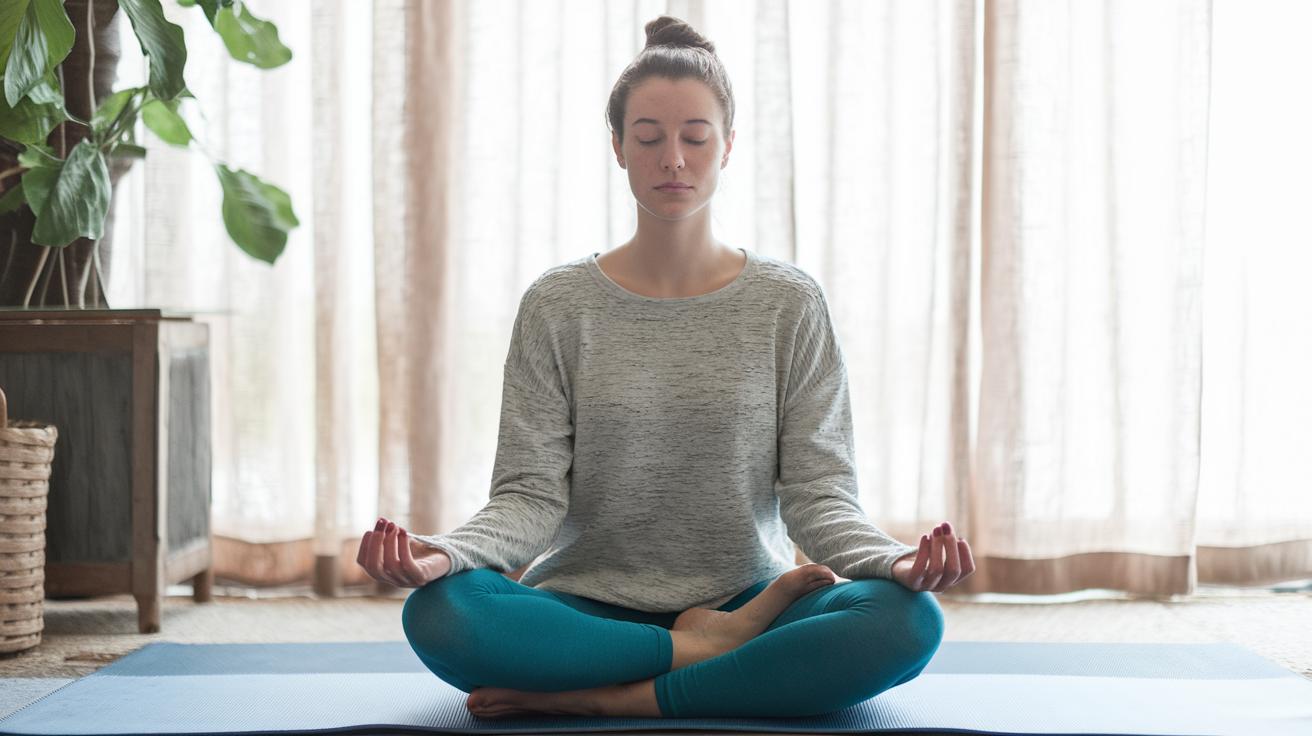
Advanced guided breath meditation encourages you to explore more than just tuning in to your breath. As you grow comfortable, give longer sessions a try, about 10 to 19 minutes, to let your mind settle further with every deep inhale and exhale. Techniques like the 4-7-8 method (a simple breathing pattern) and basic breath counting help you find a soothing rhythm that enhances both focus and calm.
These methods can really help if you're facing challenges such as insomnia, anxiety, or everyday stress. With steady practice, you might notice a gentle shift in how you handle life’s pressures. Try pairing your breathing with a bit of visualization; imagine each inhale pulling in peace while every exhale lets go of tension. Audio and video guides can be useful too, as they provide clear cues to keep your practice smooth and relaxed.
Remember, keeping a regular practice is key to deepening your mindfulness. Think of each session as another step in training your breath and mind to work together. Every deep breath contributes to a steadier, more resilient state, blending structured technique with a natural flow of relaxation. Embrace these insights as a warm invitation to find inner calm and vibrant focus in your daily life.
Guided Breath Meditation Audio & Transcript Guide
Listen to this friendly audio guide designed to work with your natural breathing during meditation. It comes with a transcript that shows you simple coaching tips and timing cues for a daily 15-minute practice. As you follow along, each voice prompt gently helps you settle into a calm, steady rhythm.
Take a moment to really listen to the coaching cues as you meditate. The audio clearly explains when to breathe and when to pause, making it easy for you to set a pace that feels right. Whenever you feel stressed or want to boost your breathing routine, use this transcript as a helpful reminder. Here are four main vocal cues you’ll hear during the session:
| Cue | Description |
|---|---|
| Inhale deeply through the nose | Breathe in slowly, filling your lungs. |
| Hold briefly at the peak of your breath | Pause for a moment when your lungs are full. |
| Exhale slowly through the mouth | Breathe out in a controlled manner. |
| Focus on the natural rhythm of each breath | Notice the regular flow of your breathing. |
By matching your breaths to these cues, you build a routine that feels structured yet gentle. This guided experience works well whether you’re just starting or you have been practicing for a while. Each audio signal is here to help you find clarity and inner peace during your everyday life.
Final Words
In the action, we explored practical steps for a guided breath meditation session that reduces stress and boosts energy. We discussed how to set up a quiet space and follow clear steps, from deep inhaling to a moment of gratitude. The post highlighted effective techniques for beginners and advanced practitioners alike and shared useful audio guides and cues. Incorporate guided breath meditation into your routine and feel the balance and clarity that come with each mindful breath. Stay energized and true to your path of wellness.
FAQ
How can beginners start practicing breathing meditation?
The practice of breathing meditation for beginners involves using simple techniques that focus your mind on natural breath patterns. This method offers an easy, step-by-step way to relax and build mindfulness.
How can guided breath meditation help ease anxiety and stress?
Guided breath meditation helps ease anxiety and stress by slowing down your breath and calming the mind. This focused practice can reduce nervous tension and promote a soothing, balanced state.
What benefits does breathing meditation offer?
The benefits of breathing meditation include improved concentration, reduced anxiety, better sleep, and overall stress relief. Regular practice supports a more balanced state of mind and body.
What is the 4-7-8 breath method?
The 4-7-8 breath method signifies a breathing pattern where you inhale for 4 seconds, hold for 7 seconds, and exhale for 8 seconds. This rhythmic practice helps calm the mind and reduce stress.
How do I perform breath-focused meditation effectively?
The approach to breath-focused meditation involves sitting comfortably, closing your eyes, and paying attention to your natural breathing rhythm. Using a simple counting method can help maintain focus and calm.
What is the 3 deep breaths meditation technique?
The 3 deep breaths meditation technique signifies taking three slow, deep breaths to center your mind. This practice can help clear mental clutter and create a moment of calm during the day.
Where can I find guided breathing meditation scripts and audio resources?
The search for guided breathing meditation scripts and audio guides reveals available PDF resources and timed scripts, such as 5-minute and 10-minute sessions. These tools provide clear cues to support your practice.
How is breathing meditation integrated in Buddhist practices?
The use of breathing meditation in Buddhism centers on mindfulness and presence, supporting meditation through focused breathing. This practice is often part of a larger routine aimed at fostering calm and inner balance.