

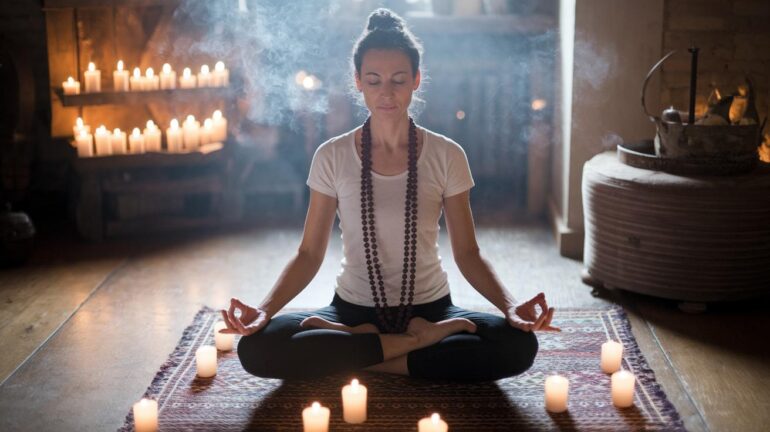
Have you ever thought a simple string of beads might help you feel calm? Mala meditation is a gentle way to clear your mind while connecting you to time-honored traditions. Each of the 108 beads, made from things like sandalwood or pretty gemstones, holds its own special energy.
When you chant a sacred phrase with each bead, you give yourself a little pause. It’s like taking a mini-break that brings clarity and balance into your day. You can feel the smooth texture as you hold each bead, letting the energy and aroma guide you to a more centered moment.
This practice turns everyday minutes into little pockets of peace. It’s a simple way to help you slow down, refocus, and enjoy a warm sense of well-being. Isn't it amazing how small moments like these can brighten your day?
mala meditation rituals and meanings: Embrace Peace
Mala beads have been treasured for many years in Hindu and Buddhist traditions. They help you keep track of mantras and guide you through a gentle, rhythmic meditation using 108 beads. Made from natural materials like sandalwood and gemstones, each bead carries its own energy to support your focus. When you say a sacred phrase such as "OM MANI PADME HUM," you invite clarity and spiritual energy, turning every bead into a step toward inner balance.
To try this mindful practice, here’s a simple way to start:
- Find a quiet spot and let your mind settle.
- Hold your mala in your dominant hand, beginning at the guru bead.
- Chant your chosen mantra, speaking it softly or in your mind.
- Move one bead at a time with every recitation, staying present.
- End with a moment of reflective silence.
This ritual not only sets a calming pace but also deepens your connection to each bead's meaning. As you run your fingers over its smooth texture, you feel a gentle reminder to be present. Combining spiritual counting with heartfelt mantra recitation transforms the practice into a personal, sacred moment where body, breath, and intention align. It’s a simple retreat for the spirit that brings peace and clarity with every session.
Historical Roots and Symbolic Meanings in Mala Meditation Rituals
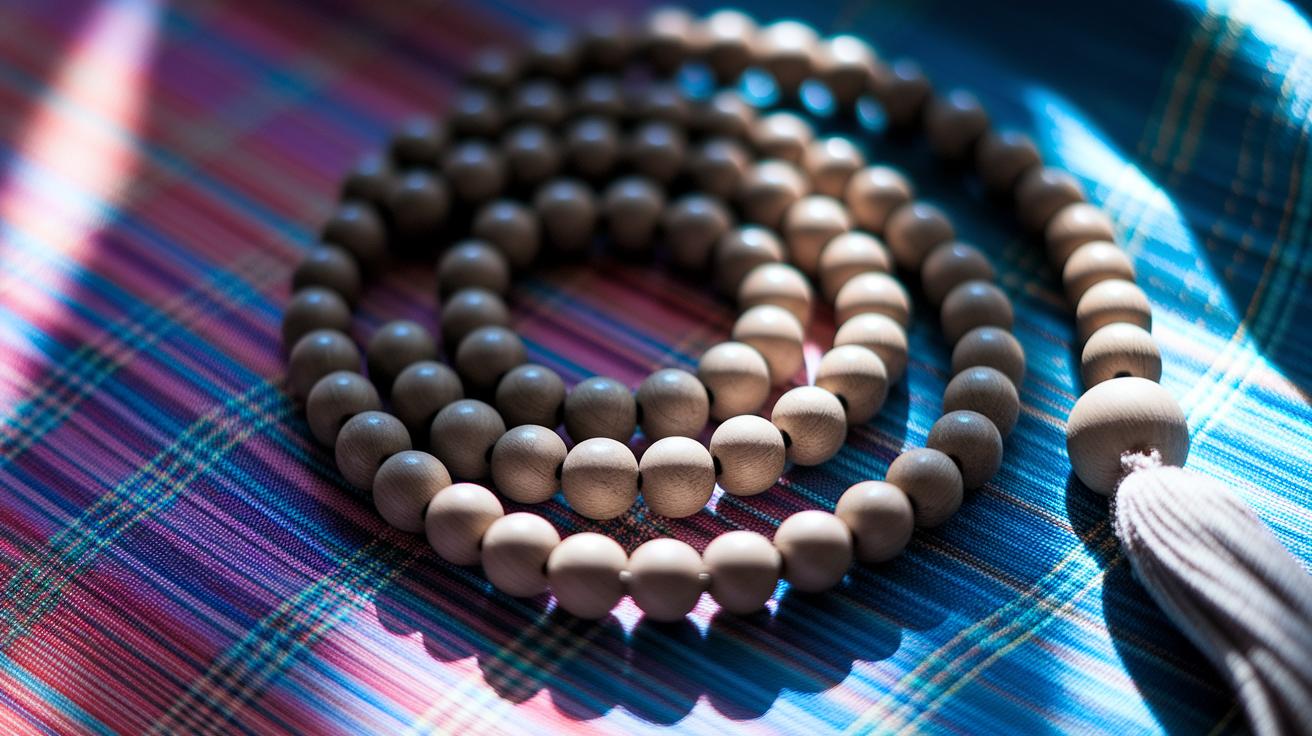
Mala beads come from old traditions, especially in Hindu and Buddhist practices, where they helped count mantras and guide meditation. Each bead carries deep meaning, and many see them as a sacred rosary with rich symbolic roots.
In places like Nepal, experienced monks bless these beads with ancient chants. The materials, sandalwood, rosewood, or Bodhi seeds, add a special energy to every bead, telling a story of tradition and our journey toward inner balance.
| Tradition | Historical Context | Bead Material |
|---|---|---|
| Buddhist | Focus on 108 beads and mantra recitation | Sandalwood/Gemstones |
| Hindu | Used in mandala meditation and spiritual practice | Tulsi/Bodhi Seeds |
| Modern | Blend of traditional practices with personal touch | Mixed Natural Materials |
This table shows three different traditions. Buddhist practices use 108 beads to help align the mind and body through repeated recitation. In Hindu traditions, the beads serve as both a meditative helper and a symbol of spiritual discipline. Today, many people mix natural materials to reflect their personal energy and style. Each tradition honors the beads as a tool for personal growth and balanced living.
Looking at these practices shows that old wisdom still matters today. Many find that using mala beads deepens their meditation and connects modern mindfulness with ancient traditions. Every material and chant adds a layer of meaning, inviting you to explore generations of cultural heritage. Ultimately, these beads continue to inspire mindful living and a warm, heartfelt devotion.
Selecting and Preparing Your Mala for Meditation Rituals
Start by choosing a mala that feels right to you. Think about the beads and what they represent. Maybe you'll feel drawn to sandalwood for its warm, grounding energy or rosewood for its gentle comfort. Gemstones like amethyst or rose quartz may also catch your eye, offering a soft glow that can soothe your mind. Imagine holding a rose quartz mala and sensing its quiet, balancing energy. Some folks even have their beads blessed by someone experienced, infusing a touch of tradition into your ritual.
Next, set a clear intention for your meditation. Cleanse your mala by gently running your fingers over it or feeling your calm breath on its surface. This simple act connects your inner focus with the mala's special qualities. In many traditions, these beads are ceremonially blessed to welcome positive energy. Taking the time for these little steps transforms your mala into a sacred tool that helps guide your meditation and brings a sense of mindful peace.
Mala Meditation Techniques: Ritual Steps and Mantric Practices
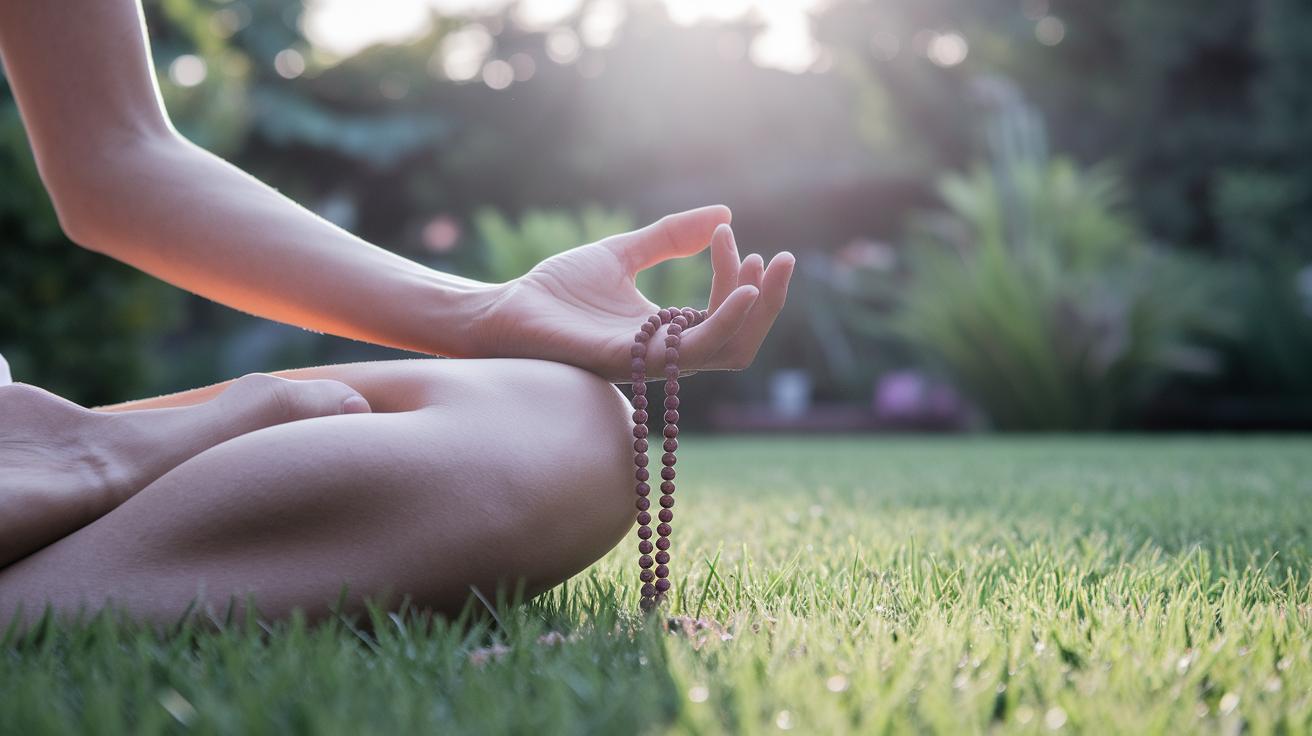
The advanced practice goes beyond simply counting beads. It invites you to connect your breath with the gentle feel of each bead. Imagine every bead as a small pause, a chance to notice a change deep within you. For instance, you might linger on one bead for a few seconds and think, "Every gentle lift of my finger shifts my inner rhythm," which helps build a warm, heartfelt awareness.
Deep, mindful breathing now takes the spotlight. Instead of sticking to a fixed pace, let your breath flow with the energy of your finger moving slowly over the beads. Try mixing it up: inhale for a count of four, hold gently for two, then exhale slowly for a count of six. Picture your breath like a soft wave that builds gradually and then recedes, helping you release any tightness with each cycle.
Every swipe across the beads has its own meaning and reflects your inner rhythm. When you move your fingers with conscious care, you create a gentle dialogue between your body and mind. This simple action reminds you to greet each new moment with clarity and calm.
Modern Adaptations and Personal Insights in Mala Meditation Rituals
Today, many people mix old traditions with their own unique style. They often recite self-made affirmations or personal mantras alongside traditional chants. Instead of strictly following the 108-bead format, many choose counts or bead styles that fit better with their daily lives. This fresh take still honors the beads' history while inviting a softer, more relaxed pace. For instance, you might say, "I carry calm with me," as you slide your fingers along each bead, turning your meditation into a quiet conversation with yourself.
Another interesting twist is the use of vibrational sound healing. When combined with flexible recitation, the practice feels like a gentle symphony where your breath, slight movements, and focused thoughts join together to balance your energy. This new approach lets you connect deeply with the ritual, moving away from strict routines and embracing a living, personal experience.
Modern adaptations keep the respectful nod to tradition while opening the door for personal expression. They offer both a connection to history and a chance to evolve the practice to suit your own journey toward inner peace.
Final Words
In the action, we stepped right into the heart of ancient practices and modern adaptations, revealing how centuries-old traditions blend with simple steps for everyday wellness. We explored the art of using mindful beads while uncovering the rich layers behind mala meditation rituals and meanings. Each insight offered a fresh way to approach stress management and build a balanced lifestyle. Embrace these easy practices to feel centered and invigorated every day.
FAQ
Is it disrespectful to wear mala beads?
Wearing mala beads is not disrespectful when you wear them with mindfulness and respect. They honor a rich tradition of meditation and mantra practice, which encourages personal focus and spiritual care.
What are some common mala mantras and how do I choose one?
Mala mantras like “Om Mani Padme Hum” are frequently used. Choosing a mantra means finding one that resonates with your inner intentions, helping you feel calm and centered during meditation.
How do I use mala beads for manifestation, meditation, or anxiety?
Using mala beads for various purposes involves holding the beads with care and quietly reciting your mantra. This practice supports mindful breathing, shifting focus for manifestation, easing anxiety, and deepening meditation.
What does the color of mala beads mean?
Mala bead colors carry symbolic meanings. For example, red may indicate energy and strength, while blue can promote calm. The color often reflects qualities that align with your emotional and spiritual focus.
What are the rules for using mala beads?
The traditional rules include not crossing the guru bead during counting and using only one hand. Respectful handling during meditation helps maintain the beads’ sacred purpose and supports focused recitation.
What do the 108 beads on a mala represent?
The 108 beads symbolize spiritual completion in many traditions. Each bead represents a chance to reset and realign with inner balance during mantra recitation, serving as a reminder for mindful meditation.
What are the three types of mala?
Common types of mala include those made from natural wood, gemstones, or seeds. They vary by material and energy while preserving the essence of traditional meditation practices to support your mindful routine.
How do I activate my mala beads?
Activating mala beads means cleansing them, setting a personal intention, and often having them blessed by a respected practitioner. This process helps align the beads with your energy for a more focused practice.