

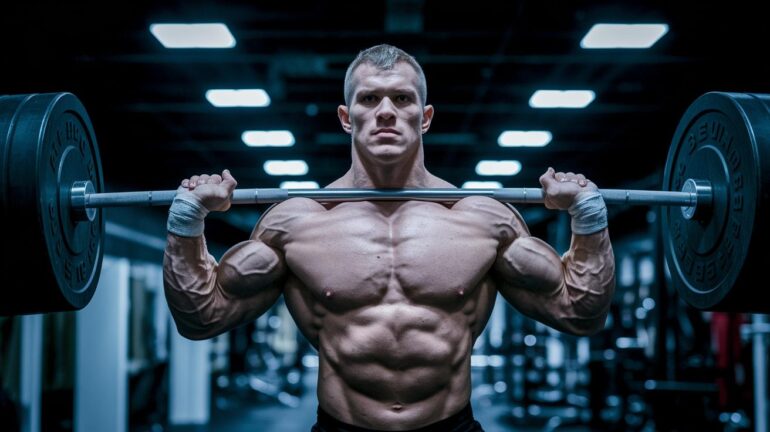
Ever wondered how real strength feels? Powerlifting pushes you with three key moves: the squat, bench press, and deadlift. Each lift challenges you and helps build a strong, well-trained body.
Think of it as a fun test of your limits. Every squat and press adds muscle coordination and boosts your overall health. It doesn't feel like your everyday gym routine, powerlifting shows you just how capable you are.
Ready to explore a sport where every lift truly counts? Give it a try and discover a clear path to improved fitness and a better understanding of your own power.
Defining Powerlifting: Understanding What Is Powerlifting
Powerlifting is a sport where athletes show off their strength. It focuses on three main barbell lifts: the squat, bench press, and deadlift. Competitors aim to lift the highest total weight in these events. They usually weigh in a couple of hours before the contest and are grouped by similar body weights or age. Imagine stepping onto a platform and knowing you’ve been matched with others just like you. It makes the challenge clear and fair.
Each of the three lifts has its own goal. For the squat, you bend deeply while staying balanced and then rise with steady force. In the bench press, you lower the weight to your chest, pause for a moment, and then push it back up until your arms are straight. The deadlift is all about lifting the bar from the floor up to full stand in one smooth motion. Every lift follows strict rules that test your strength and technique.
Powerlifting is different from other strength sports such as Olympic weightlifting or bodybuilding. Olympic weightlifting is more about quick, explosive moves, while bodybuilding focuses on muscle shape and size. Powerlifting, on the other hand, is all about pure strength and a well-trained body. Plus, it helps build stronger bones, improves coordination by working several muscles, and boosts muscle density, which can even help burn more fat when you’re resting.
Exploring the Core Lifts in Powerlifting: Squat, Bench Press, and Deadlift

Powerlifting is built around three main lifts that test both strength and good form. Each lift has a clear purpose and a set of rules to follow. The squat comes first; it calls for a firm stance and proper alignment. Next is the bench press where you lower the weight with control, take a brief pause on your chest, and then press upward using steady strength. Lastly, the deadlift is all about raw power combined with careful coordination as you lift the weight from the ground to standing tall. These movements are like key ingredients in a wholesome recipe, when each one is practiced with care, they come together to build lasting strength.
Remember these tips:
- Keep your core strong and your feet planted firmly during the squat.
- Lower the bar slowly in the bench press and pause briefly on your chest.
- Press up steadily during the bench press until your arms are fully straight.
- Ensure a smooth lift-off and maintain a steady posture during the deadlift.
- Always focus on efficient moves to stay safe and keep your form good.
Good form is the heart of successful powerlifting. Every lifter benefits from building steady habits with each movement. Not only does proper technique help you lift more, it also guards against injury. Even small tweaks in your squat alignment or a brief pause in your bench press can make a big difference, just like perfecting a favorite recipe. Taking time to focus on these details turns raw power into real, lasting strength.
what is powerlifting: A Bold Strength Definition
Powerlifting competitions put a huge focus on fairness and clear rules. Before the event, each lifter has a weigh-in, usually around two hours before the contest, to make sure everyone competes in the right weight or age group. The entire event follows strict guidelines set by the official bodies, like the IPF. Athletes can choose between two main divisions: raw or equipped. In the raw division, only a little bit of supportive gear is allowed, so the lifter’s natural strength stands out. In the equipped division, specialized gear is used to help support each lift. This setup turns powerlifting into a real test of strength, discipline, and adherence to important rules.
| Category | Key Rules |
|---|---|
| Raw | Limited supportive gear; focuses on natural strength and proper form. |
| Equipped | Allows specialized gear that offers extra support under set rules. |
Each competitor gets three chances per lift. For each attempt, judges keep an eye out for proper alignment, control, and smooth execution. Referees are right there, making sure every lift meets the standards. This careful style of judging keeps the sport safe and fair while letting the true power and determination of each lifter shine through.
Powerlifting Training Principles and Safety Protocols
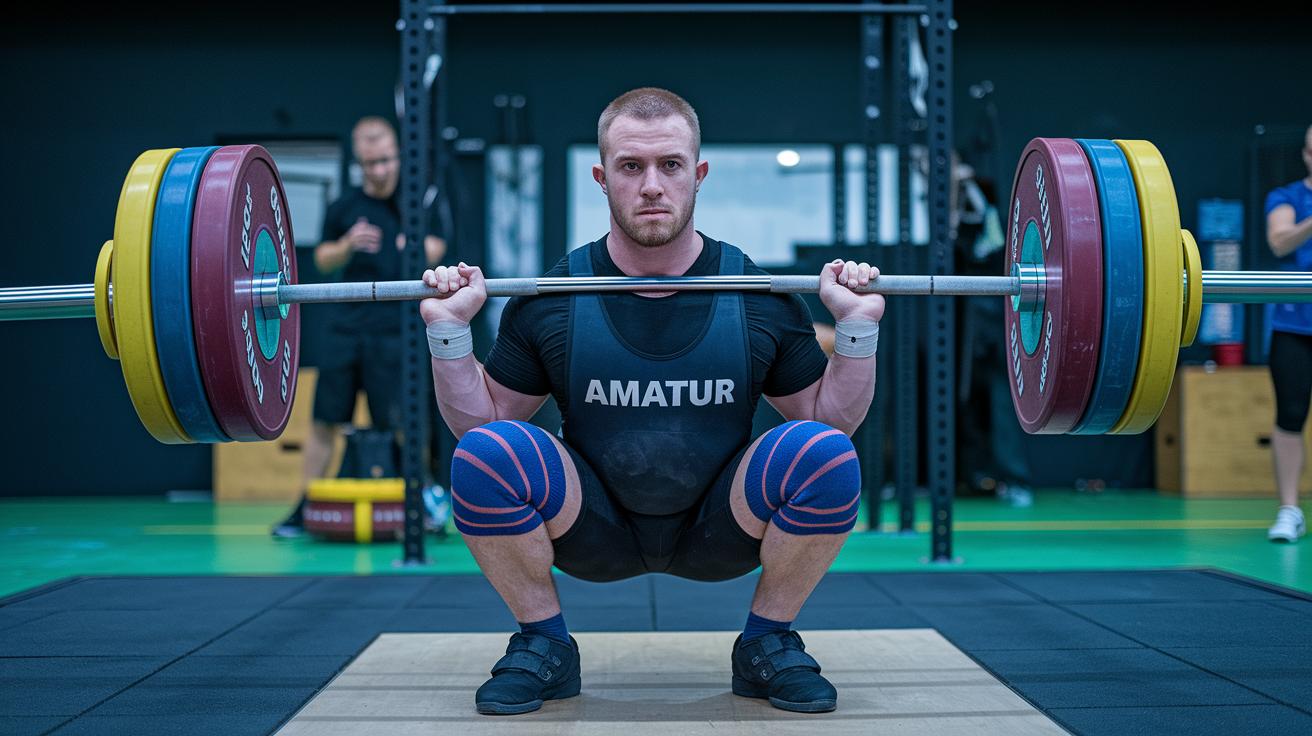
Training in powerlifting helps you build a strong base to boost your strength and keep your performance steady. A well-thought-out plan not only helps you build muscle but also keeps you safe from injuries. When you follow a set routine, you learn good technique and better coordination, so you make real gains over time. This method is great for beginners and for those who already lift and want to keep progressing.
Starting your workout with a proper warm-up is like giving your body a friendly heads-up. It helps your muscles get ready and lowers the chance of a strain or slip. Here are some simple safety tips to remember:
- Begin with dynamic stretches to wake up your muscles.
- Start with lighter weights to ease into the routine.
- Take short breaks between heavy sets.
- Always watch your form and make changes if needed.
Adding these steps to your training routine can lower the risk of injury while sharpening your lifting skills. Mixing in extra exercises like core stabilization ones builds a safer workout space. Taking things step by step bolsters your strength, builds your confidence, and leads to steady improvements. Whether you’re just starting out or fine-tuning your routine, sticking to this plan helps you develop lasting strength and feel more confident in every lift.
Nutrition, Recovery, and Mental Toughness in Powerlifting
Good nutrition is the first step in powering up your powerlifting sessions. When you eat well, you give your body the energy it needs to push through every workout. Carbs fill you up with fuel, while protein helps your muscles repair and grow after a tough session. And don’t forget hydration – drinking enough water keeps you at your best. Many lifters plan their meals with a balance of fruit, whole grains, and lean protein to steady both their bodies and minds before stepping into the gym.
After a tough workout, recovery is just as important as the exercise itself. A cool-down session, a few easy stretches, or even a short, calming walk can ease muscle soreness and encourage repair. Some athletes also find a little extra help from vitamins or minerals useful. Here are three simple recovery tips:
| Tip | Description |
|---|---|
| Rest between sets | Take brief breaks to help your muscles recover. |
| Hydrate | Drink water during and after your workout. |
| Gentle stretching | Light stretches ease tightness and boost flexibility. |
Mental toughness is the secret ingredient that helps you push past your limits. It’s not just about lifting weights; it’s also about training your mind to go further. Simple practices like taking a moment for deep breaths or using a brief mindfulness break can help clear your head and sharpen your focus. When you combine strong nutrition, effective recovery habits, and a determined mind, you build a foundation for peak performance in every lift.
The Broader Impact of Powerlifting: Community, Health, and Future Trends

Powerlifting began as a simple test of raw strength and has grown into a sport loved around the world. Early events were all about the squat, bench press, and deadlift, setting the stage for the organized meets we see now. Over time, lifters adopted tougher training and clear rules, turning casual trials into events that honor strength, persistence, and good technique.
But powerlifting is much more than lifting heavy weights. It builds a caring community that supports every training session. When people come together, they not only build muscle but also boost their overall well-being and bone strength. It’s a place where you share tips, celebrate wins, and cheer each other on. Consider these community benefits:
- Making lasting friendships that keep you motivated.
- Creating a space where both beginners and seasoned lifters can share advice.
- Encouraging everyone to stay on track and grow together.
Looking ahead, powerlifting is set to shine even more with new training gadgets and tracking tools. Imagine smart wearables and apps that help you see your progress every step of the way. Coaches are using these data insights to fine-tune training programs, making workouts smarter and more effective. Even as modern technology trends continue, powerlifting remains unique in offering clear improvements in both health and competitive success.
Final Words
In the action, we recapped the essence of powerlifting by outlining its core lifts, competition formats, training principles, and the balance of nutrition and recovery. Each section connected simple concepts to clear guidelines, making powerlifting accessible to everyone.
In the action, we wrapped up the topic and answered what is powerlifting by sharing insights that boost physical strength and a supportive community. Embrace these tips and feel the surge of energy and clarity every time you lift your way to better health.
FAQ
What is powerlifting vs weightlifting?
The difference between powerlifting and weightlifting is that powerlifting focuses on maximal lifts—the squat, bench press, and deadlift—while weightlifting emphasizes quick, explosive Olympic lifts with speed and precision.
What is powerlifting for beginners?
For beginners, powerlifting means learning proper form, gradually increasing weights, and focusing on the squat, bench press, and deadlift to build foundational strength safely.
What is powerlifting vs bodybuilding?
Powerlifting differs from bodybuilding by prioritizing maximum strength through heavy lifts, whereas bodybuilding focuses on developing muscle size, definition, and overall aesthetics.
What is powerlifting competition?
A powerlifting competition involves athletes performing the squat, bench press, and deadlift under strict rules, with weigh-ins and divisions based on weight or age ensuring fair and standardized contests.
What is powerlifting olympics?
The term powerlifting olympics is used informally to describe major international powerlifting events, but it is separate from Olympic weightlifting, which is featured in the Olympic Games.
What are the powerlifting benefits?
Powerlifting benefits include increased strength, improved bone density, enhanced metabolic rate, and better everyday functional fitness, making it a valuable practice for overall health.
Is powerlifting a sport?
Powerlifting is a sport where athletes are measured by their ability to lift maximum weights in the squat, bench press, and deadlift, following official competition rules and classifications.
What are the powerlifting categories by age?
Powerlifting includes age-specific categories, allowing athletes of different ages to compete fairly by grouping them into divisions that suit their physical development and strength levels.
What is the point of powerlifting?
The point of powerlifting is to challenge and improve your strength through key lifts, building functional fitness while setting and achieving measurable personal records.
Is a powerlifter stronger than a bodybuilder?
A powerlifter is generally stronger in terms of maximal lifting capacity, while a bodybuilder concentrates on muscle definition and symmetry rather than lifting the heaviest weights.
Is powerlifting good for you?
Powerlifting is good for you when done correctly, as it builds strength, aids in bone health, and boosts overall functional fitness while also supporting mental focus and discipline.