


Have you ever seen a guy with a pounding headache or muscles that feel really tight? Sometimes our bodies speak for us when words are hard to find. When a man feels anxiety, his heart might race, his stomach might hurt, or he might get easily irritated.
These feelings are not random. They are signals that stress is building up inside. By noticing these signs early, we can find ways to help ease the burden and bring a little more calm back into his day.
Recognizing Anxiety Symptoms in Men
More than 40 million U.S. adults deal with anxiety, yet many men might not get the help they need. Often, instead of showing fear, they might seem easily upset or complain about unexplained aches. Picture a man waking up with a headache that lingers all day and muscles that feel as if they're in a tight grip. These physical signs are common when anxiety makes itself known in the body.
Men can feel constant pressure that shows up as recurring headaches, tight muscles, or a fast-beating heart. Some even face stomach troubles or sleep problems that leave them tired no matter how long they rest. These signs may hit suddenly during stressful times or build up gradually over months.
On the emotional side, anxiety might make a man feel on edge, irritable, or even angry. He might struggle to concentrate and choose to keep his worries to himself. For instance, a man might skip family gatherings or avoid hobbies he once loved because his mind is overwhelmed.
Even everyday routines can start to feel heavy. Tasks that were once simple may turn into challenges, and his usual activities might lose their spark. By noticing these physical, emotional, and behavioral changes, we can see a clear picture of anxiety. Catching these signs early can help set the stage for steps that ease anxiety and promote overall well-being.
Physical Stress Cues and Chest Discomfort in Men with Anxiety

When anxiety arrives, your body gears up as if it were about to run or fight. You might feel a sudden tightness in your chest, notice your heart racing, or even feel short of breath and dizzy. It can be scary, almost like the pain you’d expect from a heart problem. Ever been in a stressful meeting and sensed a pressing weight on your chest? It can feel like your heart is taking charge.
This natural reaction is the body’s way of getting ready for action, even when there isn’t an actual threat. A quick burst of adrenaline makes your heart beat faster and causes your blood vessels to narrow, leading to that heavy, tight feeling. Many men explain that during moments of anxiety, even simple daily tasks can seem more difficult.
Sometimes, these signs might be mistaken for a serious heart issue. But knowing that they are simply your body’s response to stress can ease your worries. Next time you notice your heart racing, take a moment. Remind yourself that it’s just your body reacting to stress, not an emergency.
Behavioral and Emotional Strain Signals in Adult Males
Sometimes, you might notice a man who seems extra worried or easily irritable even though he’s usually calm. Imagine a friend who once loved hanging out but now tends to skip all his favorite activities, or someone whose work starts slipping. These shifts in mood and behavior can be the body’s way of telling us that anxiety is at play.
It’s not just about feelings. Changes in how someone acts, like drinking a bit more during tough times or suddenly having strong reactions to small mistakes, can also signal inner tension. Studies show that when a pattern of avoiding social events or short bursts of anger repeats, it often means stress is building up inside.
So, watching for both mood swings and unexpected actions can help reveal when a man might be really struggling with anxiety. Next time you notice a friend canceling plans at the last minute and then snapping over something minor, it might be his quiet plea for support during a challenging time.
Biological and Genetic Factors Influencing Male Anxiety
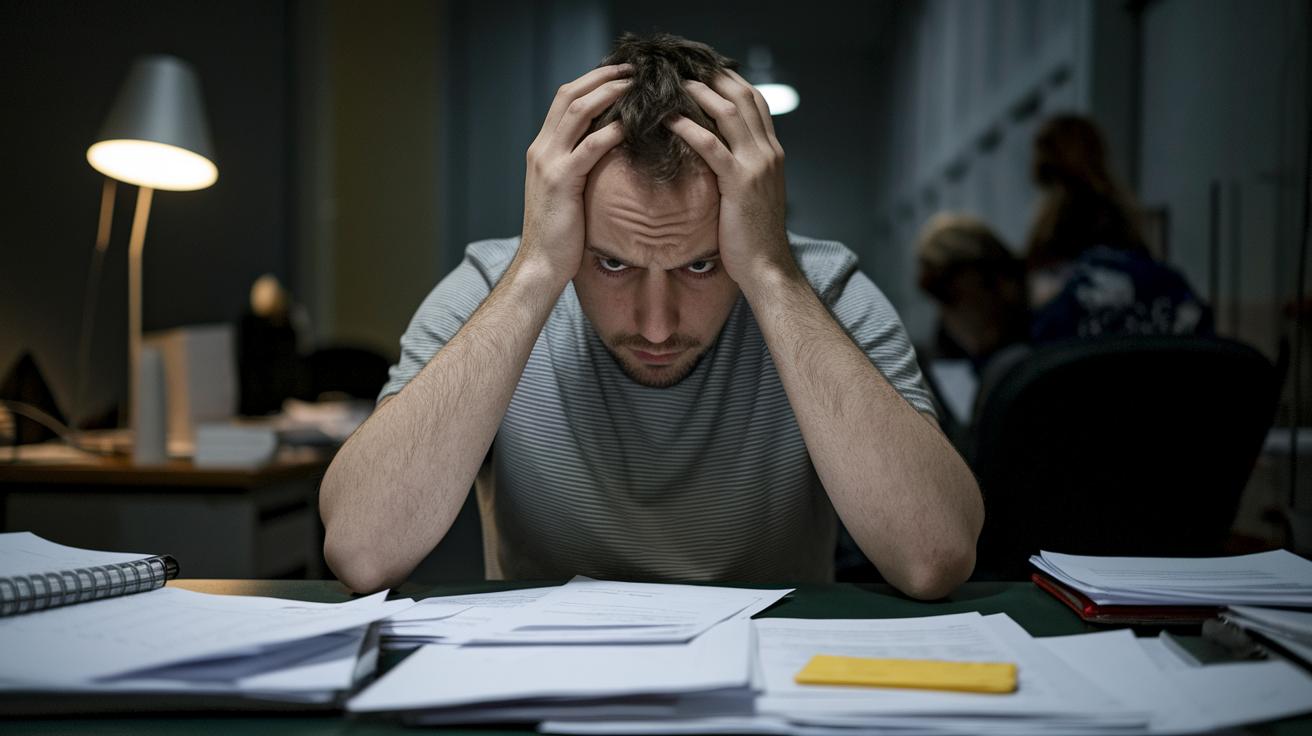
When we try to figure out why some men feel anxious, it often comes down to what’s happening inside our bodies. Studies show that anxiety isn’t caused by just one gene but by several working together. This means some men might naturally be more prone to stress.
Everyday stress also messes with our hormones. Long periods of stress make our bodies produce extra cortisol and adrenaline, which can disrupt sleep and lead to more hormone imbalances. When these chemicals are high, it becomes really hard for the body to find calm.
These internal shifts can throw off our autonomic nervous system, the part that handles our fight-or-flight responses. This might result in a racing heart, tight muscles, and a general feeling of tension. Even small stresses can hit hard, making some men feel extra worn out and on edge.
Even when there’s no obvious threat, our genes and body chemistry work together to shape anxiety in men. Spotting these signs early can be the first step toward taking control and feeling better.
Identifying Triggers and Self-Assessment for Men
It starts with noticing what stirs up those uncomfortable feelings. Everyday stress from work, money worries, past hurts, or relationship issues can trigger a reaction. Picture finishing a challenging meeting and feeling your muscles tighten, a small sign that tells a big story.
One helpful tool is keeping a journal. Write down times when you feel off, restless, or unusually tired without a clear reason. Note little changes like muscle tightness, irritability, or bouts of exhaustion. Over time, these notes can reveal patterns you might otherwise miss.
Another easy method is tracking your mood. Imagine checking your emotions like you check the weather. By jotting down how you feel and your energy levels each day, you can spot unusual shifts that might mean it's time for a break or a deeper look into what's stressing you out.
Even these simple self-checks can boost your awareness, helping you catch early signs and take action to feel better overall.
Professional Guidance and Therapeutic Options for Men
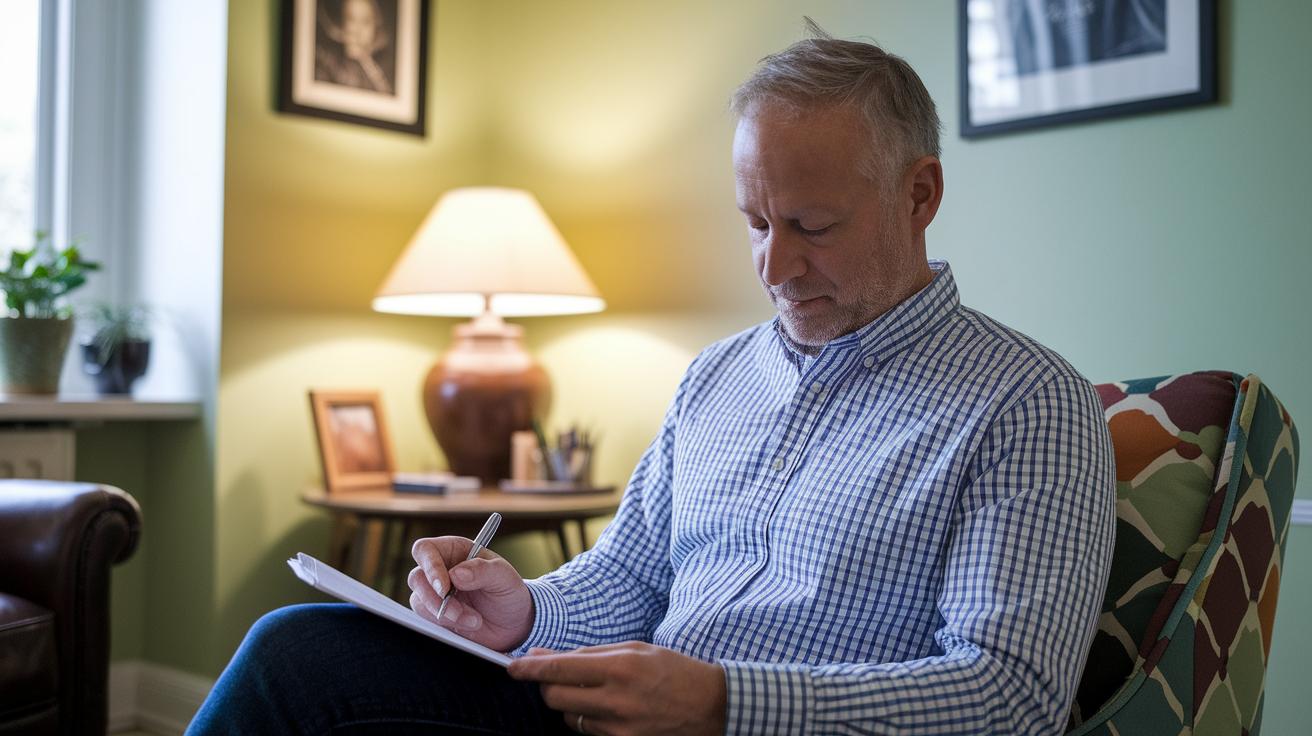
Sometimes, men find it hard to ask for help because they feel they always need to be strong and keep their feelings inside. This built-up stress can quietly cause problems like self-harm, ongoing health issues, or challenges in relationships. When everything starts to feel too heavy, it’s important to know when to get help. Think about a friend who’s been more short-tempered and withdrawn than usual – that might be a signal to check in with a professional.
There are many treatment options that have been shown to work. Many men find that talking therapies, such as cognitive behavioral therapy (a way to change unhelpful thoughts) or EMDR (a method to ease deep-rooted anxiety), make a big difference. Sometimes, a doctor might recommend medications like SSRIs or benzodiazepines to help balance out stress, while others benefit from programs that mix both in-hospital and outpatient care.
Some clear signs that it might be time to seek help include ongoing irritability, a drop in work performance, or even turning to substances as a way to cope.
- Reaching out for psychological support can bring clarity, help you feel understood, and offer new ways to manage stress.
- Using cognitive therapy not only helps clear up negative thoughts but also builds your inner strength.
Remember, seeking professional guidance isn’t a sign of weakness. It’s a proactive step toward regaining balance and enjoying a healthier, more fulfilling life.
Lifestyle and Holistic Strategies to Reduce Anxiety in Men
Regular exercise can really help keep stress hormones in check, improve sleep quality, and lift your mood. Even a brisk walk, a light jog, or a quick session of resistance training can lower cortisol levels and boost those feel-good endorphins. Many men notice that just 20 minutes of movement each day eases physical tension and clears the mind. It’s amazing how small tweaks in your routine can create a more calming environment.
Eating well is another important part of naturally managing anxiety. A balanced diet rich in whole grains, lean proteins, omega-3 fatty acids (found in fish like salmon), and magnesium helps the brain stay calm and steady. For example, meals that include steamed vegetables, whole-grain bread, and salmon provide key nutrients for maintaining balance in both body and mind. Simple changes in what you eat can lessen physical signs of stress and help keep your mood even. For more ideas on nutritious eating patterns, check out healthy habits for mental health at https://healthyfax.com?p=818.
Mindfulness techniques also offer a practical way to ease anxiety naturally. Taking a few minutes each day to practice mindfulness meditation or controlled breathing exercises can calm an overactive nervous system. Sit quietly, focus on the rhythm of your breath, and let the quiet moments slow your heartbeat and ease tension. These practices work well when anxiety crops up unexpectedly. For more guidance on how to practice these techniques, visit https://healthyfax.com?p=861. Establishing a regular sleep routine and daily schedule can further reduce overall tension and build your strength against stress.
Final Words
In the action, we uncovered how physical, emotional, and behavioral clues help identify anxiety symptoms for men. We explored signs like chest discomfort, tension, and changes in mood that often go unnoticed. The guide shared tips on self-checks, lifestyle shifts, and professional care that suit busy schedules. Each section reminds us that small, mindful changes can bring big improvements in everyday well-being. Embrace these insights and step forward with renewed energy and calm.